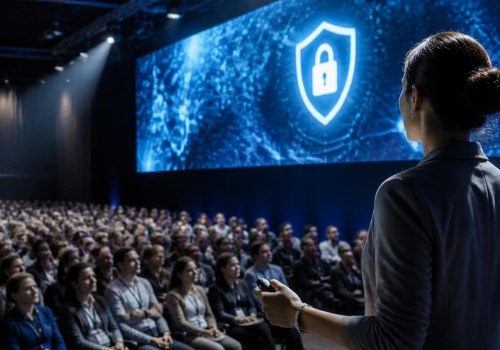
The landscape of cybersecurity is evolving at an unprecedented pace, with major players in the industry continually adapting to the challenges posed by cyber threats. One of the most significant trends shaping this landscape is the surge in major cybersecurity firm acquisitions. As organizations strive to bolster their defenses against increasingly sophisticated attacks, mergers and acquisitions have become a strategic maneuver that not only enhances capabilities but also fosters innovation. In recent years, we've witnessed a flurry of activity in this domain, with established firms acquiring startups and smaller companies that bring unique technologies and expertise to the table. This trend not only reflects the growing importance of cybersecurity in our digital age but also highlights the competitive nature of the industry, where staying ahead requires constant evolution. This article delves into the latest trends in cybersecurity firm acquisitions, examining key deals that have reshaped the market landscape.
We'll explore how these acquisitions are driving growth, influencing technology development, and ultimately impacting the way businesses protect themselves against cyber threats. Join us as we uncover the dynamics of these transactions and their implications for the future of cybersecurity. The landscape of cybersecurity has evolved dramatically in recent years, with an increasing number of **cybersecurity firm acquisitions** reshaping the industry. These strategic moves are often driven by the pressing need for enhanced capabilities, access to cutting-edge technologies, and the ongoing consolidation of the market. As organizations face a growing barrage of cyber threats, the importance of these acquisitions cannot be overstated. One of the primary reasons behind recent **cybersecurity firm acquisitions** is the necessity for companies to bolster their defenses against sophisticated cyber threats.
As cybercriminals become more ingenious, firms are compelled to integrate advanced technologies that can provide better protection and response mechanisms. For instance, the acquisition of **Mandiant** by **Google Cloud** not only underscored Google's commitment to enhancing its security offerings but also highlighted a trend where major tech players are seeking to fortify their platforms against emerging threats. This acquisition allows Google Cloud to offer enhanced incident response capabilities, which is crucial for businesses looking to mitigate risks associated with data breaches. Another significant driver behind these acquisitions is the access to new technologies that smaller firms often bring to the table. In many cases, larger firms acquire smaller cybersecurity startups that have developed innovative solutions or proprietary technologies that can enhance their existing product offerings.
A prime example is **Cisco's** acquisition of **Kenna Security**, which provided Cisco with advanced risk assessment tools that leverage machine learning. By integrating Kenna’s solutions, Cisco can offer clients a more proactive approach to managing vulnerabilities, thereby improving their overall security posture. The competitive landscape of cybersecurity is also influenced by market consolidation. As the industry matures, larger firms tend to acquire smaller companies to eliminate competition and gain a larger market share. This trend can lead to a situation where only a few players dominate the market, potentially stifling innovation.
Nevertheless, from a business standpoint, this consolidation can create efficiencies and streamline operations, which may ultimately benefit consumers through improved service delivery. For consumers and businesses alike, the implications of these acquisitions are profound. On one hand, they can lead to enhanced security measures and more robust defenses against evolving threats. On the other hand, there are concerns that such consolidation may impact innovation and service quality. For instance, as larger corporations absorb smaller firms, there may be a tendency to prioritize profitability over innovation, leading to a slowdown in the development of new security solutions. Moreover, the evolving nature of **cyber threats** is likely to further accelerate mergers and acquisitions in the cybersecurity space.
Recent trends indicate an increase in sophisticated attacks such as ransomware and supply chain breaches, prompting companies to seek out specialized firms that can provide targeted expertise and solutions. As organizations recognize the dynamic nature of cybersecurity risks, they may pursue partnerships or acquisitions that allow them to stay ahead of potential threats. However, it is essential to address some potential criticisms related to these acquisitions. Concerns about reduced competition could lead to higher prices and limited choices for consumers. Additionally, when smaller companies are absorbed into larger organizations, there might be a dilution of their innovative culture and customer-centric approach.
Maintaining service quality during transitions can be challenging, as employees from acquired firms may feel uncertain about their roles or future within the larger corporate structure. In conclusion, while recent trends in **cybersecurity firm acquisitions** reflect a strategic response to an increasingly complex threat landscape, they also raise important questions about the future of innovation and service quality in the industry. As businesses continue to navigate these changes, it will be critical for them to remain vigilant and adaptive in order to effectively defend against emerging threats.
Key Acquisitions Shaping the Cybersecurity Landscape
In recent months, several major cybersecurity firm acquisitions have taken place, reshaping the landscape of the industry and enhancing the capabilities of the organizations involved. These acquisitions are not merely business transactions; they represent strategic moves aimed at strengthening defenses against increasingly sophisticated cyber threats. One notable acquisition occurred when Microsoft acquired RiskIQ, a cybersecurity firm specializing in threat intelligence and digital attack surface management. This acquisition is significant because it bolsters Microsoft’s existing security offerings by integrating RiskIQ's technologies, which provide enhanced visibility into threats across the web and help organizations better protect their digital assets. Another impactful acquisition was Google's purchase of Mandiant, a well-known leader in incident response and threat intelligence.This move not only expands Google Cloud's security capabilities but also signals a broader trend of cloud providers investing heavily in cybersecurity solutions. The acquisition allows Google to offer more robust security services to its customers, helping them respond more effectively to potential data breaches. Additionally, CrowdStrike acquired Humio, a real-time log management solution. This acquisition is crucial as it enhances CrowdStrike's ability to provide comprehensive endpoint protection by integrating Humio's capabilities for managing large volumes of data quickly, thereby improving threat detection and response times. The significance of these acquisitions lies in their potential to enhance the effectiveness of cybersecurity measures across various sectors. By combining resources, technologies, and expertise, these firms are better equipped to tackle the evolving challenges posed by cyber adversaries.
Furthermore, such acquisitions can lead to innovations that redefine industry standards and practices, ultimately making organizations more resilient against future threats.
The Impact of Acquisitions on Data Breach Response
In the rapidly evolving world of cybersecurity, acquisitions play a pivotal role in shaping how organizations respond to data breaches. When a major cybersecurity firm acquires another company, it often brings new technologies and strategies that can significantly enhance the overall security posture of the acquiring organization. These mergers can lead to the integration of advanced tools and methodologies, allowing for a more robust response to potential threats. For instance, when a firm with cutting-edge threat detection technologies is acquired, the parent company can leverage these innovations to improve its incident response capabilities. This can mean faster identification of breaches, more effective containment strategies, and ultimately, a reduced impact on affected customers and businesses. Moreover, acquisitions can lead to shifts in organizational strategy.A newly formed entity may prioritize different aspects of cybersecurity based on the strengths and specialties of the acquired company. This could involve a greater focus on proactive measures such as vulnerability assessments and penetration testing, rather than solely reactive measures post-breach. Additionally, these acquisitions often result in the pooling of talent, where experts from both organizations come together to share knowledge and best practices. This collaborative environment can lead to innovative approaches to incident management, improving an organization’s agility in responding to data breaches.However, it is essential to recognize that not all acquisitions lead to seamless integrations. The cultural fit between merging companies can impact how effectively new strategies are implemented.
If teams struggle to align their goals or if there is resistance to adopting new technologies, the intended benefits may not be fully realized. Overall, while cybersecurity firm acquisitions can present challenges, they also offer substantial opportunities for enhancing data breach responses. By integrating new technologies and fostering collaboration among experts, companies can better prepare themselves for the inevitable threats posed by cybercriminals.
Best Practices for Individuals Amidst Industry Changes
As the landscape of cybersecurity continues to evolve with major acquisitions shaping the direction of the industry, individuals must also adapt their personal security practices to mitigate potential risks. Here are some actionable steps to enhance your cybersecurity posture amidst these changes.1.Stay Informed
: Regularly update yourself on the latest cybersecurity news, including recent acquisitions and data breaches. Understanding how these events can affect your personal data will empower you to take proactive measures.2.Use Strong Passwords
: Create complex passwords that combine letters, numbers, and symbols.Consider using a password manager to keep track of your credentials securely, especially if you've had to create multiple accounts due to changes in service providers after an acquisition.
3.Enable Two-Factor Authentication (2FA)
: Whenever possible, activate 2FA on your accounts. This adds an extra layer of security by requiring not just your password but also a second form of verification, such as a code sent to your mobile device.4.Regularly Update Software
: Keep your operating systems, applications, and antivirus software up-to-date to protect against vulnerabilities that could be exploited by cybercriminals taking advantage of recent industry changes.5.Be Wary of Phishing Scams
: With the rise of data breaches, phishing attacks may increase. Be cautious of unsolicited emails or messages that ask for personal information or prompt you to click on suspicious links.6.Review Privacy Settings
: Take the time to review the privacy settings on all your online accounts. Ensure that your information is shared only with trusted parties and consider limiting the amount of data you share publicly.7.Utilize Security Tools
: Invest in reputable security tools such as VPNs, firewalls, and anti-malware software.These can help protect your data from unauthorized access, especially in light of increased vulnerabilities due to industry acquisitions.By implementing these best practices, individuals can better safeguard themselves from evolving cyber threats and remain vigilant in an ever-changing cybersecurity landscape. In conclusion, the landscape of cybersecurity firm acquisitions is continually evolving, with key acquisitions playing a pivotal role in shaping the industry's response to threats. Throughout this article, we have examined key acquisitions that are significantly influencing the cybersecurity environment and discussed how these changes impact our ability to respond effectively to data breaches. Understanding these dynamics is crucial for both industry professionals and individuals alike. As we have seen, acquisitions can enhance the effectiveness of cybersecurity measures, leading to more robust defenses against emerging threats. Therefore, it is imperative for readers to stay informed about the latest developments in this space.
By keeping abreast of these changes, you can better protect your personal information and make informed decisions regarding your cybersecurity posture. Remember, proactive steps can mitigate risks and safeguard your data in an increasingly complex digital landscape.