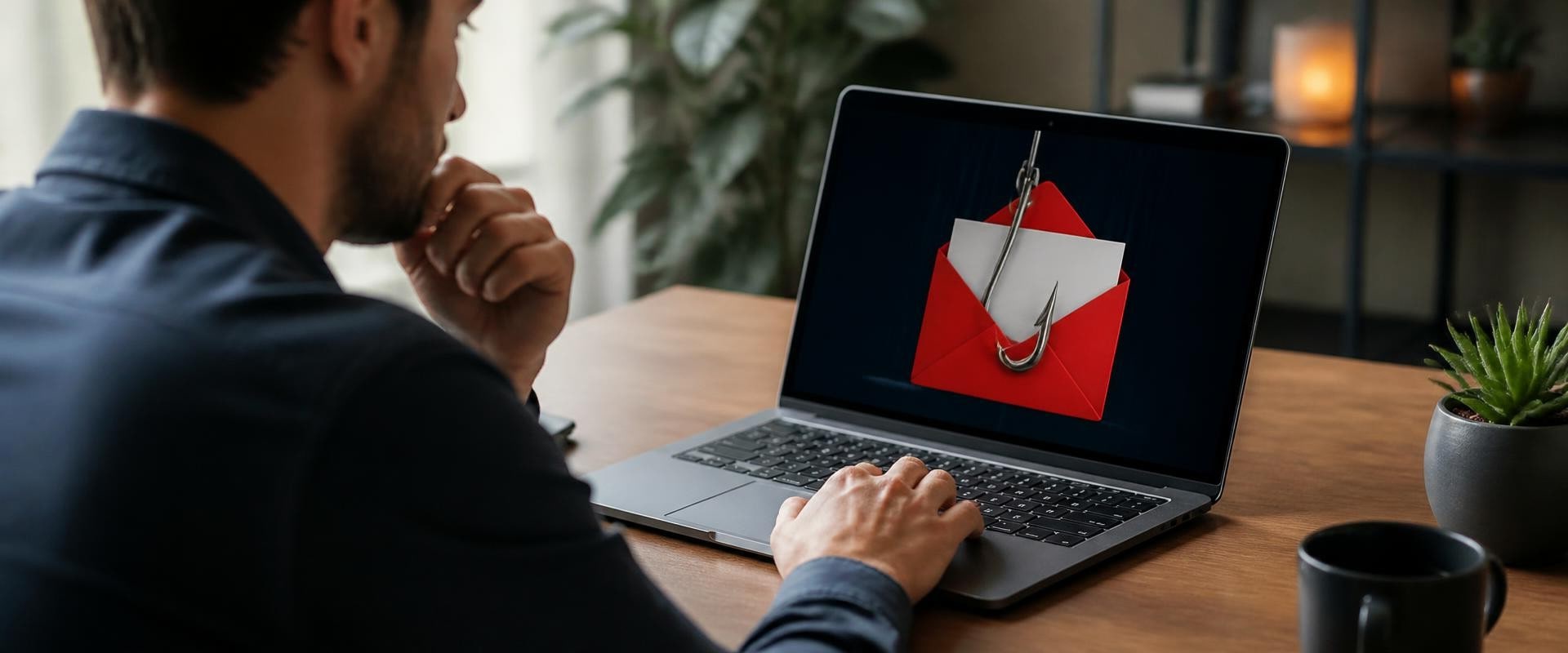
In today's digital landscape, where communication occurs at the speed of light, recognizing phishing emails and scamsrecognizing phishing emails and scams has become an essential skill for everyone. Cybercriminals are continuously evolving their tactics, crafting messages that appear legitimate to deceive unsuspecting individuals. The stakes are high; falling victim to these schemes can lead to identity theft, financial loss, and a host of other cyber-related issues. Imagine checking your email one morning and finding a message that looks exactly like a notification from your bank. It urges you to click a link to verify your account details.
However, instead of logging into your secure banking portal, you unwittingly hand over your sensitive information to fraudsters. This scenario is all too common and underscores the importance of being able to identify phishing attempts before they wreak havoc on your life. As we delve deeper into this article, we will explore the various techniques employed by scammers, the warning signs to watch for, and practical tips to safeguard yourself against these deceitful tactics. By understanding the intricacies of phishing emails and scams, you will empower yourself to navigate the digital world with greater confidence and security. Let’s embark on this journey together to bolster our defenses against these insidious threats!In today’s digital landscape, identifying phishing emails and scams has become increasingly significant due to the surge in cybersecurity threats.
Phishing, which involves tricking individuals into providing sensitive information or downloading malicious software, continues to evolve, with criminals employing sophisticated tactics to deceive unsuspecting victims. As phishing attempts rise dramatically, individuals must remain vigilant to protect themselves from potential financial loss and identity theft. Recent high-profile data breaches, such as the 2020 Twitter hack, demonstrate the real-world consequences of successful phishing attacks, showcasing how even well-known companies can fall victim to these schemes. One of the primary methods for identifying phishing emails is recognizing their common characteristics. A frequent red flag is a Phishing, which involves tricking individuals into providing sensitive information or downloading malicious software, continues to evolve, with criminals employing sophisticated tactics to deceive unsuspecting victims. As phishing attempts rise dramatically, individuals must remain vigilant to protect themselves from potential financial loss and identity theft. Recent high-profile data breaches, such as the 2020 Twitter hack, demonstrate the real-world consequences of successful phishing attacks, showcasing how even well-known companies can fall victim to these schemes. One of the primary methods for identifying phishing emails is recognizing their common characteristics. A frequent red flag is a suspicious sender address.
Phishing emails often originate from addresses that resemble legitimate ones but include subtle discrepancies, such as misspellings or unusual domain names. For instance, an email claiming to be from your bank might come from 'support@yourbank-secure.com' instead of 'support@yourbank.com.' Additionally, many phishing emails employ generic greetings like "Dear Customer" instead of addressing the recipient by name. This lack of personalization is a telltale sign that the email may not be genuine. Another common feature of phishing attempts is the inclusion of urgent calls to action, creating a sense of panic or pressure for the recipient to act quickly. A typical example might be an email warning that your account will be suspended unless you verify your information immediately.
Such tactics are designed to bypass critical thinking and encourage hasty decisions. For example, in a phishing campaign impersonating a well-known e-commerce site, users received emails stating that their accounts would be deactivated unless they clicked on a link and provided personal details. Phishing techniques vary widely, with specific methods such as spear phishing and vishing representing more targeted approaches. Spear phishing involves customizing attacks to a particular individual or organization, making it more convincing than general phishing attempts. This technique often leverages personal information gleaned from social media or other online sources.
For instance, if a scammer knows you recently traveled, they might send you an email claiming to be from your travel agency, asking you to confirm details about your trip.
Vishing
, or voice phishing, takes these tactics into the realm of phone calls. In this scenario, scammers impersonate legitimate entities—such as banks or government agencies—requesting sensitive information over the phone. Victims may receive unsolicited calls claiming there are issues with their accounts and urging them to provide verification details. The psychological manipulation at play here is significant; scammers often exploit authority and urgency to coerce individuals into compliance. The psychological tactics employed by scammers are crucial to understanding how they successfully manipulate victims.Many phishing schemes prey on emotions such as fear, curiosity, or urgency. By inducing panic over potential financial loss or security threats, scammers can push individuals into making poor decisions without taking the necessary time to verify the legitimacy of the communication. To underline the pressing need for awareness about phishing techniques, recent statistics reveal alarming trends. According to cybersecurity reports, 74% of organizations experienced a successful phishing attack in the past year. Furthermore, the Anti-Phishing Working Group reported over 200,000 unique phishing sites created each month, highlighting the increasing frequency and sophistication of these threats. To protect oneself against phishing attempts, individuals should adopt several best practices for verifying email authenticity.
One effective method is checking URLs before clicking on links within emails. Hovering over a link can reveal its true destination—if it doesn’t match the expected URL of a legitimate site, it’s best to avoid clicking it altogether. Furthermore, enabling multi-factor authentication (MFA) on accounts adds an extra layer of security; even if credentials are compromised through phishing, MFA can help prevent unauthorized access. In conclusion, as phishing attempts become more sophisticated and prevalent, recognizing and effectively identifying phishing emails and scams is essential for safeguarding personal and financial information. By understanding common characteristics of these deceptive communications and employing proactive verification measures, individuals can significantly reduce their risk of falling victim to cybercriminals.
Common Signs of Phishing Emails
Identifying phishing emails requires a keen eye for detail, as these deceptive messages often contain specific indicators that can alert recipients to their fraudulent nature.One of the most common signs is poor spelling and grammar. Many phishing attempts originate from non-native speakers or automated systems, resulting in awkward phrasing and typos that are not typically found in legitimate communications. Another red flag is when the email makes unusual requests for personal information. Be cautious of emails that ask for sensitive data such as passwords, social security numbers, or bank account details. Legitimate organizations usually do not request such information via email. Additionally, phishing emails often include unfamiliar attachments or links.
These files can contain malware or lead to fraudulent websites designed to steal your information. Always verify the sender’s identity before opening any attachments or clicking on links. By being aware of these signs, individuals can better protect themselves from falling victim to phishing scams and ensure their personal information remains secure.
Types of Phishing Techniques
Phishing is a broad term that encompasses various techniques used by cybercriminals to deceive individuals into providing sensitive information. Understanding the different types of phishing techniques is crucial for recognizing potential threats and protecting oneself from scams. Below are some of the most common phishing techniques:Spear Phishing: This targeted approach focuses on specific individuals or organizations.Unlike generic phishing attacks that cast a wide net, spear phishing involves extensive research on the target, allowing attackers to craft personalized messages that appear legitimate. For example, an employee might receive an email seemingly from their boss requesting sensitive information or urging them to transfer funds urgently.
Whaling
: A subset of spear phishing, whaling specifically targets high-profile individuals such as executives or key decision-makers within an organization. The stakes are higher in these attacks, as compromising a senior executive can lead to significant financial loss or data breaches. An example would be an email that mimics a financial institution requesting urgent account verification from a CEO.Vishing
: Voice phishing, or vishing, involves phone calls rather than emails.Cybercriminals impersonate legitimate organizations, such as banks or tech support, to trick individuals into divulging personal information over the phone. For instance, a caller may claim to be from a bank's fraud department, urging the victim to confirm their account details to avoid suspension. Recognizing these various phishing techniques is essential in today’s digital landscape, where threats are becoming increasingly sophisticated. By being aware of the tactics used by cybercriminals, individuals can better protect themselves against falling victim to these scams.
Recent Phishing Trends
In recent years, phishing attacks have become increasingly sophisticated and prevalent, posing significant threats to individuals and organizations alike. According to the latest cybersecurity reports, there has been a staggering increase in the number of phishing attempts, with some reports indicating a rise of over 400% in certain sectors.This surge can be attributed to several factors, including the growing reliance on digital communication and the ongoing shift towards remote work, which has expanded the attack surface for cybercriminals. One notable trend is the use of targeted phishing, or spear phishing, where attackers customize their messages to specific individuals or organizations. This approach has proven highly effective, with statistics showing that targeted phishing attacks have a success rate significantly higher than generic phishing attempts. Cybersecurity experts estimate that nearly 1 in 3 recipients of a targeted email will click on a malicious link, making it an attractive strategy for cybercriminals. Furthermore, the COVID-19 pandemic has fueled the rise of phishing scams exploiting public fear and uncertainty. Cybercriminals have capitalized on this by creating emails that impersonate health organizations or government agencies, urging recipients to take urgent action regarding health-related information.
Such tactics have led to a dramatic increase in reported phishing incidents. Recent high-profile data breaches have highlighted the severe consequences of successful phishing attacks. For instance, major corporations have reported losses amounting to millions of dollars due to compromised accounts through phishing schemes. These breaches not only result in financial losses but also damage trust and reputation, emphasizing the critical need for individuals and organizations to stay vigilant against these evolving threats.
Best Practices for Protection
In the face of increasing phishing attempts, it is crucial for individuals to adopt a proactive approach to safeguard their personal and sensitive information. Here are some best practices for protection against phishing scams:1.Utilize Email Filters: Most email services offer filtering options that can help identify and redirect suspicious emails to a separate folder.Enable these filters to minimize exposure to potential phishing attempts.
2.Be Cautious with Unsolicited Communications:
Always approach unsolicited emails, messages, or phone calls with skepticism. If you receive a communication that seems suspicious or requests personal information, verify the sender's identity before taking any action.3.Regularly Update Passwords:
Changing your passwords frequently can help protect your accounts from unauthorized access. Make sure to create strong, unique passwords for different accounts and consider using a password manager to keep track of them.4.Enable Two-Factor Authentication:
Adding an extra layer of security through two-factor authentication (2FA) can significantly reduce the risk of falling victim to phishing attacks. Even if your password is compromised, 2FA requires additional verification before granting access.5.Stay Informed:
Keep up to date with the latest phishing techniques and trends.Awareness is key; by understanding how phishing scams operate, you can better recognize and avoid them.
6.Report Phishing Attempts:
If you encounter a phishing email, report it to your email provider and relevant authorities. This not only helps protect yourself but also assists in preventing others from falling victim to similar scams. By implementing these best practices, individuals can enhance their defenses against phishing emails and scams, contributing to a safer online environment. In conclusion, recognizing phishing emails and scams is crucial in today's digital landscape, where cyber threats are on the rise.Remaining vigilant
against phishing attempts can significantly reduce the risk of falling victim to these malicious schemes. As we have explored, understanding the common signs of phishing emails, familiarizing ourselves with types of phishing techniques, and staying abreast of recent phishing trends are essential steps in safeguarding our personal information. Moreover, adopting best practices for protection can empower individuals to take charge of their online security.The alarming increase in phishing attempts, coupled with high-profile data breaches, serves as a stark reminder of the potential consequences of inaction. Therefore, we encourage you to remain informed about cybersecurity threats and to implement proactive measures that will help shield your sensitive data from malicious actors.